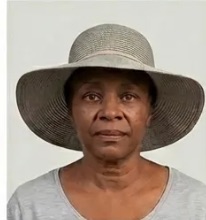
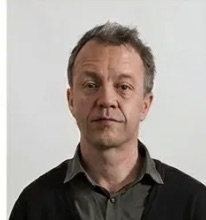
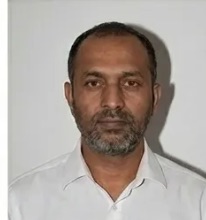
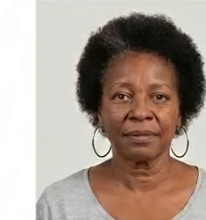
What the Turkish ID card is
The Türkiye Cumhuriyeti Kimlik Kartı, often just called the kimlik kartı, is the main identity document for Turkish citizens. Today's card is a chip-based biometric card in the ID-1 format of 85.60 × 53.98 mm, the same size as a bank card, and it is printed in both Turkish and English. It replaced the older gender-coloured ID cards of 7×9 cm. According to Wikipedia, since September 2020 the biometric card can also carry your driving licence. The photo you hand in is stored on the chip and printed on the card, which is why the photo rules are strict and checked by machine.
Turkey ID card photo size explained
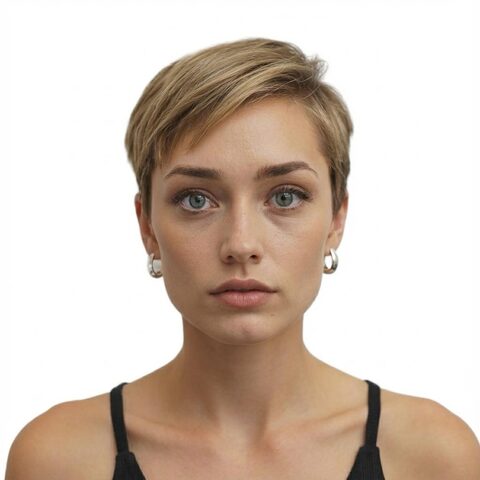
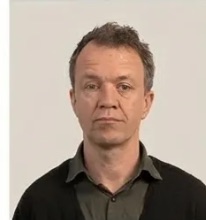
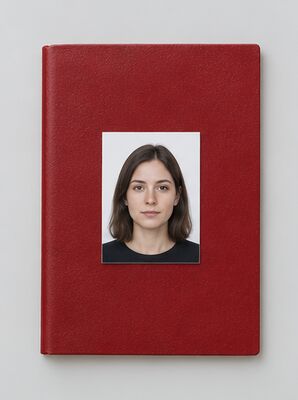
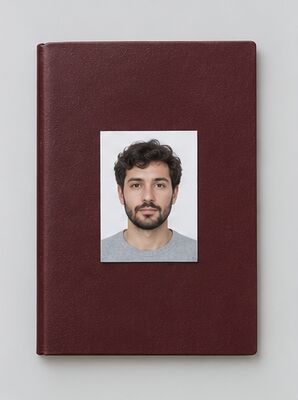
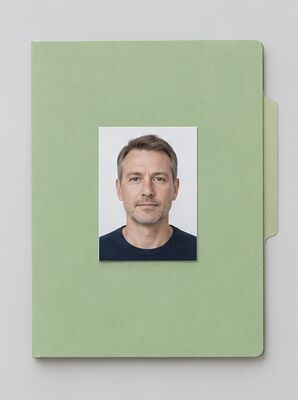
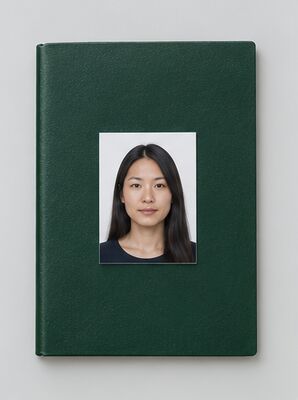
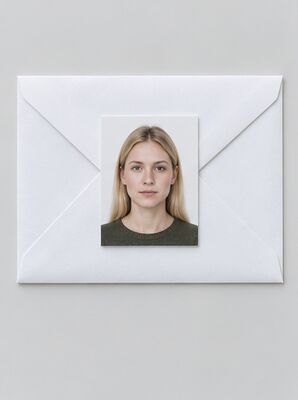
The NVI biometric photo guide sets the photo size at 50 mm wide and 60 mm tall, or 5×6 cm. This is noticeably taller than the 35×45 mm photo size that many other countries use, so a photo printed for another document will usually be the wrong size. The NVI states plainly that a photo in a different size leaves the application incomplete, which means a second trip to the Nüfus Müdürlüğü. In our template the head measures about 34 mm from chin to crown, with roughly 10 mm of space between the top edge of the photo and the hair. The face, together with the neck and the top of the shoulders, should fill 70–80% of the photo. A print at 300 DPI keeps the photo sharp at this size.
Why the photo background and colours matter
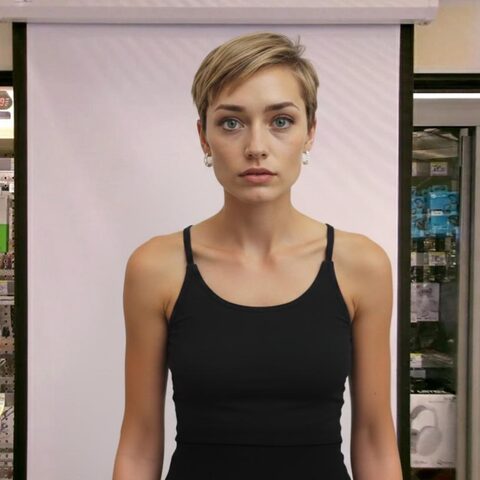
A plain white background without shadows or patterns is not a matter of style. The card is checked by automatic face matching, and any gradient, texture or shadow behind your head gets in the way of that check. Shadows on the wall in the photo count the same as a coloured wall. Colours in the photo must look natural and show your real skin tone, and the NVI rejects filters or edits that change the shape of the face. Small brightness corrections that leave your features untouched are the most editing a photo should have. Our AI photo tool replaces the background with clean white and keeps your face exactly as the camera recorded it.
A photo taken within the last six months
The photo has to show how you look now, so it must have been taken within the last six months. An older photo, even a very good one, is not accepted. If your hairstyle, beard or weight has changed a lot since your last card, take a new photo before the appointment rather than reusing an old photo from a previous application.
How to take the photo yourself with a phone
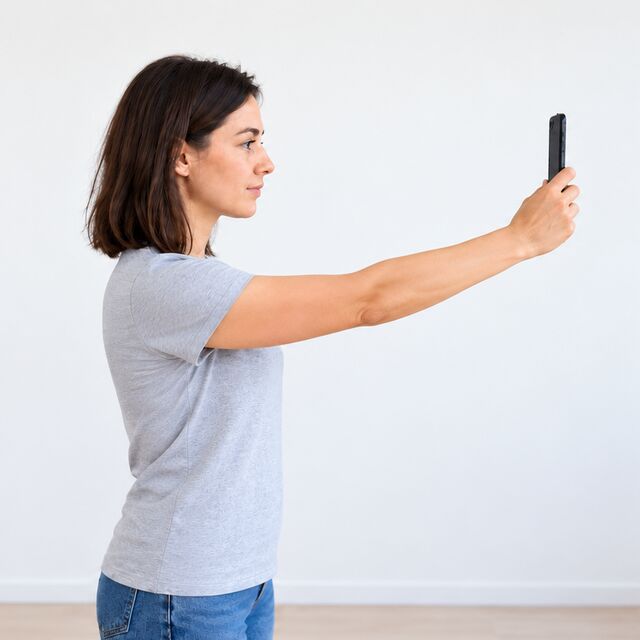
You do not need a studio. A phone and a little care with light and background are enough for a compliant photo, and our free tool does the cropping and the background for you.
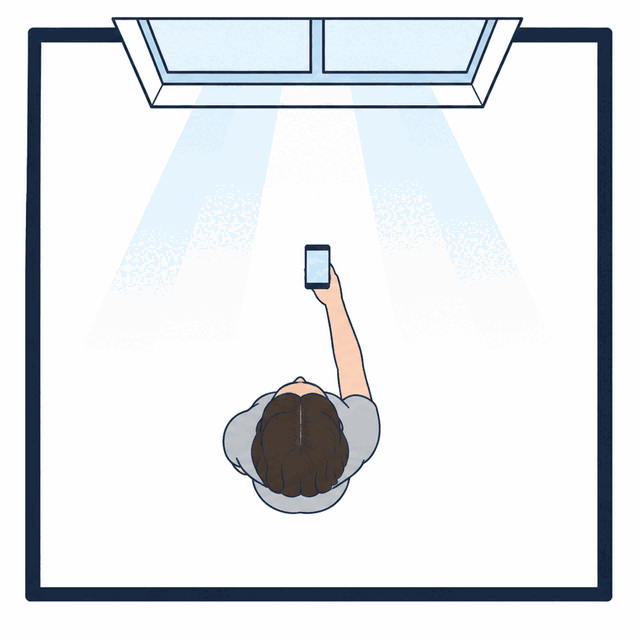
- Use soft daylight. Stand near a large window so the light falls evenly on your face. Never shoot with the window behind you: backlight washes out the face and leaves shadows on it.
- Stand in front of a light wall. A white wall or a large sheet of white card gives the cleanest result. Keep a short distance from the wall so you do not cast a shadow on it in the photo.
- Keep the camera at eye level. Rest the phone on a shelf or ask someone to hold it so the lens is level with your eyes. A photo taken from below or above distorts the face.
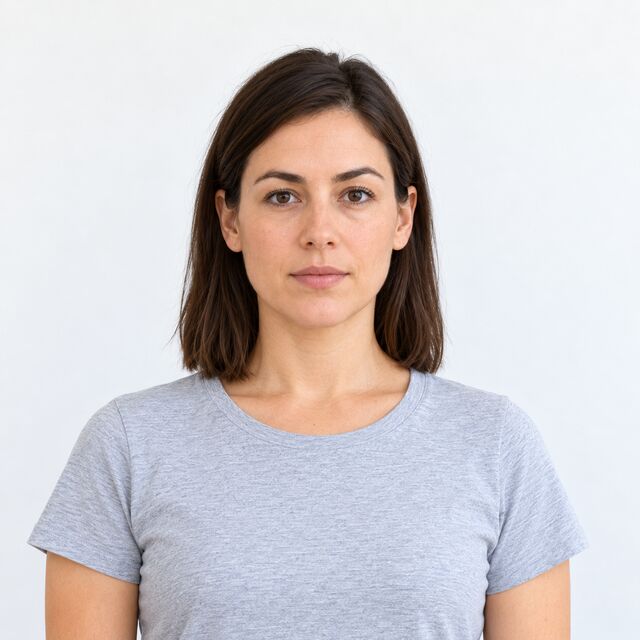
- Centre your face with all of your hair visible. The NVI asks for the full hairstyle to appear in the photo, with a small gap above the head.
- Keep a neutral face. Both eyes open, mouth closed, looking straight into the lens. A smile, a squint or a tilted head fails the check.
- Review the photo before you upload it. Look for shadows on the face or background, reflections and motion blur, and take another photo if anything looks off.
How to apply for the card in Turkey
You apply at the nearest Nüfus Müdürlüğü (Population and Citizenship Directorate), with or without an appointment. Appointments can be booked at randevu.nvi.gov.tr, by calling Alo 199, through the e-Devlet portal or in the NVI Mobile app. According to the NVI identity card page, you bring a valid identity document, such as your current card, a passport, a driving licence or an international family booklet, plus one biometric photo that meets the 50×60 mm standard. Applicants aged 15 and over attend in person; applications for children under 15 are made by a parent or legal guardian. If you cannot travel to a directorate, you can ask for a portable registration device to be brought to you. The new Turkish ID card is then delivered to your registered home address by a contracted courier.
Applying from abroad
Citizens who live abroad apply through an embassy or consulate by appointment, and the card is distributed through the Ministry of Foreign Affairs. A card issued at home cannot be sent to an address abroad, as the consular FAQ explains. The Consulate General in Los Angeles confirms 50×60 mm as the standard photo size and also accepts a US 2×2 inch photo, but only at that specific mission. Other missions follow the NVI standard, so the safest choice anywhere is a 50×60 mm photo.
What to bring to the appointment
Prepare everything the evening before, because a missing item means coming back another day. The NVI lists a short set of items for a new ID card or a replacement:
- A valid identity document. Your current ID card, a passport, a driving licence or an international family booklet is accepted.
- One biometric photo. A single 50×60 mm print on a plain white background that meets the ICAO standard.
- The fee. The applicable fee is paid on the day of application, so check the current amount first.
- A parent or guardian for minors. Teenagers aged 15 to 18 come with a parent or legal guardian, and parents apply on behalf of children under 15.
At the counter, an officer checks your documents and the printed photo against the biometric standard. If the print is the wrong size, has a shadow behind the head or looks retouched, the application stays incomplete until you bring a new one. That is why it pays to check everything at home before you set off.
When you need a new ID card
Most people only replace their card when it expires after ten years. The rules allow an early replacement in just three situations: data printed on the card has changed (for example, a new surname after marriage), the card is physically damaged, or a security weakness in the card has been identified. A card that is simply old but still valid and readable is renewed at its expiry date, not earlier. If your card is lost, you apply for a replacement, which is charged at a higher fee than a regular issue. In every one of these cases you bring a fresh biometric print, because the one from your previous application is far more than six months old.
Features of the chip-based card
The current card is far more than a plastic card with your name on it. It carries an electronic chip that stores your biometric data, including the facial image from your application, which is used for automatic identity checks. Since September 2020 the same card can also serve as your driving licence, so many people no longer carry two separate cards. The text on the card is bilingual, in Turkish and English, which makes it easier to use at border points in the countries that accept it for travel. Earlier ID cards had different colours for men and women and measured 7×9 cm; those older cards have been replaced by the ID-1 format that fits in any wallet slot.
Homebound applicants and special situations
If illness, disability or age makes it impossible to visit a population directorate, you can ask the NVI to bring a portable registration device to you. The officer records your data at home, and you still need a biometric print that meets the same standard as everyone else. A head covering is acceptable when it leaves the whole face visible from forehead to chin; anything that hides part of the face is not, unless it is a mandatory medical aid.
Booking an appointment
An appointment is not strictly required inside the country, since directorates also accept applicants without one, but booking lets you plan your visit. There are four ways to book. The randevu.nvi.gov.tr website takes bookings online. The Alo 199 phone line handles bookings for anyone who prefers to speak to a person. The e-Devlet portal offers the same service once you log in, and the NVI Mobile app lets you do it from your phone. Whichever channel you use, note the date and the directorate address, and plan to arrive a little early with your documents in order. Citizens abroad cannot walk in: consulates and embassies work by appointment only, so book well before you need the new card.
How the new card reaches you
A card applied for at a directorate is delivered to your registered address in Turkey by a contracted courier, so make sure the address held by the population register is current before you apply. Delivery to an address in another country is not possible. If you live abroad and applied at a mission, the card is sent through the Ministry of Foreign Affairs and your embassy or consulate tells you how to collect it.
What our AI tool does with your selfie
When you upload a selfie, the tool first finds your face and the position of your eyes and chin. It then scales and crops the image so that the head is about 34 mm tall inside the 50×60 mm frame, with roughly 10 mm of space above the hair, which keeps the face within the 70–80% coverage the NVI expects. Next it removes the room behind you and puts a clean, even white background in its place, without touching your features. Finally it runs a list of checks: is the head straight, are both eyes open and visible, is the mouth closed, is the light even, is the image sharp enough to print at 300 DPI. If something fails, it tells you what to fix, so you can take another selfie right away instead of finding out at the counter. When every check passes, you download a print-ready file and can print it at a print shop or at home on photographic paper.
Tips for a better result
A few small habits make a big difference. Wipe the phone lens before you shoot, because a smudge softens the whole image. Tie back hair that falls over the eyes, but keep your usual hairstyle visible. Wear a top that contrasts with white, such as a darker colour, so your shoulders do not blend into the background. Take several shots in a row and upload the sharpest one. And if you wear glasses every day, take them off anyway: a clear view of the eyes is what the biometric check relies on.
Validity, renewal and fees
The Turkey ID card is valid for 10 years. Early renewal is only possible when data printed on it changes, when the card is damaged, or when a security weakness is found; otherwise you renew it when it expires. A new photo is needed for each renewal, because the old photo will be more than six months old. The 2025 issuance fee was reported as 185 TL and a replacement for a lost card as 370 TL. The amount is set every year by the Ministry of Treasury and Finance, so check the current figure before your appointment.
Using the card for travel
The Turkish ID card is accepted as a travel document in Azerbaijan, Georgia, Moldova, Northern Cyprus, Serbia and Ukraine. For Ukraine and Moldova, only the new chip-based card is valid, not a temporary ID. Azerbaijan and Turkey have allowed mutual travel with ID cards since 1 April 2021. Before you leave, check that your card is valid for the whole trip and not damaged. For every other destination you still need a passport; see our Turkey passport photo page for that photo format. Foreign residents apply for a residence permit rather than an identity card; their photo rules are on our ikamet photo page.
Children and teenagers
For a standard card issued to a child under 15, the NVI does not require a biometric photo. It becomes mandatory if the card will be used for travel, and then the child's photo follows the same 50×60 mm, white background, ICAO standard as an adult photo. Applicants aged 15 to 18 attend in person together with a parent or legal guardian. For a baby or a young child, lay them on a plain white sheet and take the photo from above in soft daylight; the AI tool straightens and crops the photo afterwards.
Glasses and head coverings
Tinted glasses, coloured lenses and sunglasses are not allowed in the photo. Clear prescription glasses are discouraged too, because frames and reflections can hide the eyes during biometric matching, so take them off for the photo if you can. Hats and headscarves that block biometric identification are rejected, and mandatory medical aids are the only stated exception. A head covering that leaves the whole face visible from forehead to chin works with the biometric check.
Common reasons a photo is turned away
Most rejected photos fail for a handful of simple reasons. The most frequent one is the wrong size: a 35×45 mm photo from a passport booth abroad is not the Turkish 50×60 mm format. Next come backgrounds that are not plain white, including a white wall with a visible shadow behind the head. A photo older than six months, a photo with tinted glasses or a hat, and a photo with beauty filters that change the face are all rejected as well. Finally, the NVI does not accept photocopies or reproduced non-biometric photos, and spots, creases or folds make a printed photo unusable.
Printing the photo
Print the photo on proper photographic paper, not on plain office paper. Hold the printed photo by the edges and keep it flat in an envelope until your appointment so it does not crease. When you print at home or at a print shop, print at 100% scale so the 50×60 mm photo size is kept exactly, and check it with a ruler before you leave.
Turkey ID card photo checklist
- Correct photo size: 50×60 mm (5×6 cm), not 35×45 mm.
- Plain white photo background with no shadows or patterns.
- Face centred, the whole hairstyle visible, 70–80% of the photo.
- Neutral expression, mouth closed, both eyes open, looking at the lens.
- No tinted glasses, no hat, no filters or retouching.
- Sharp colour photo printed at 300 DPI, taken within the last six months.
Other Turkish documents
Each Turkish document has its own photo size and rules, so a photo for the ID card is not automatically right for the others. See the Turkey driving licence photo and Turkey visa photo pages if you need those as well; each one is free to make with the same AI tool.