Which Italian visa needs this photo
An Italian visa lets a citizen of a country outside the European Union and the Schengen Area enter, stay in or pass through Italy for a set period. Italy issues two main kinds of visa. The Schengen visa (Type C) covers short stays of up to 90 days within a 180-day period for tourism, business or family visits. The National visa (Type D) covers longer stays for work, study or family reunification. Both kinds of Italian visa use the same photo format: two recent passport-sized photos that meet the Schengen visa photo requirements, in the 35×45 mm size.
Italy visa photo size explained
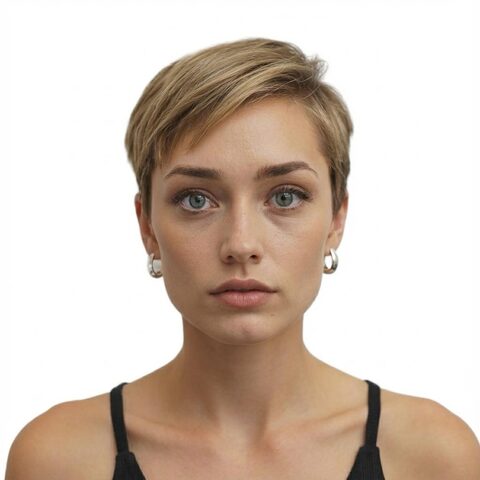
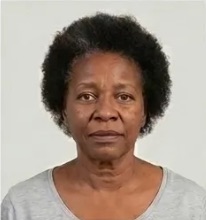
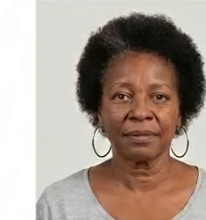
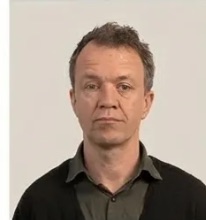
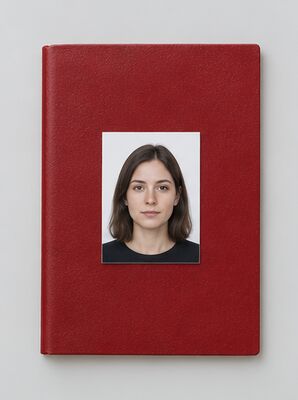
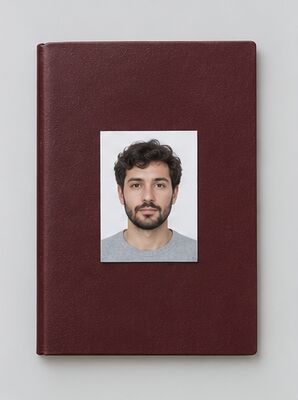
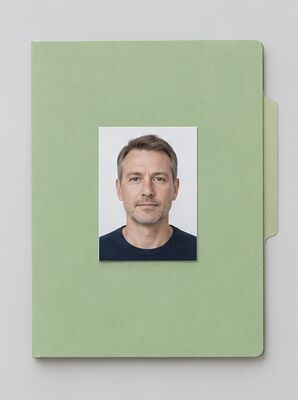
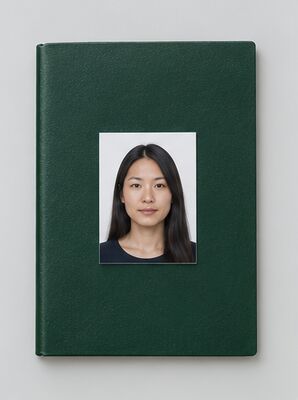
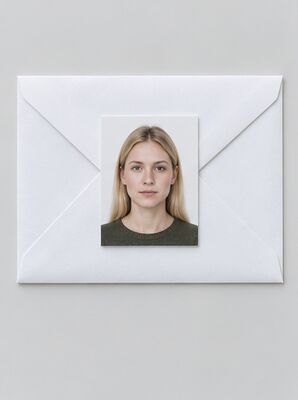
The standard Italy visa photo size is 35×45 mm, the same as 3.5×4.5 cm and roughly 1.38×1.77 inches. This is the common European photo size, so a US 2×2 inch photo is not the right size for an Italian visa. In our template the head is about 34.5 mm from chin to crown, and there is about 3 mm of free space between the top of the hair and the top edge of the photo. Your face should sit in the centre of the frame. Our online tool measures the head in your picture and scales the crop so that it matches these values, so you do not have to measure anything with a ruler.
Background and colour
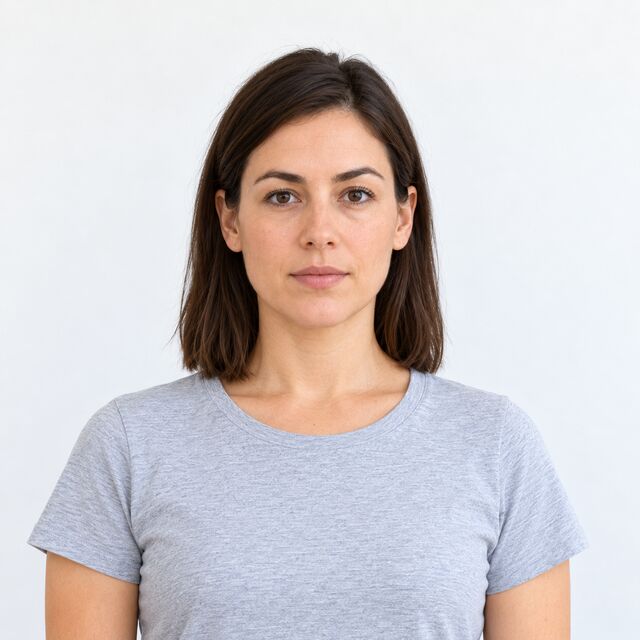
The Italy visa photo needs a plain, light background with no pattern, texture, objects or shadows behind you. Our photo maker removes the room behind you and fills it with an even light grey tone (#eeeeee). The photo itself must be in colour, so a black-and-white or sepia picture will not do. Skip beauty filters and heavy editing as well: the photo should look like you do today.
Face, expression and pose
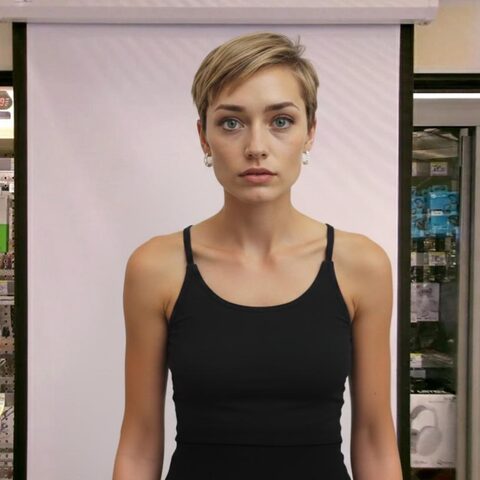
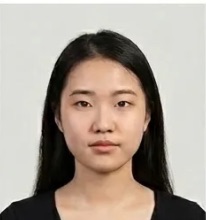
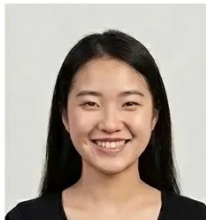
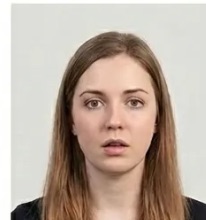
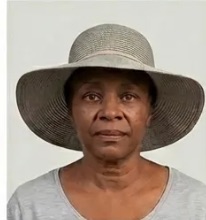
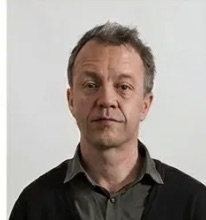
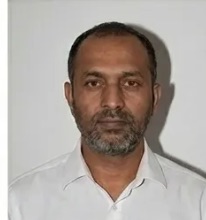
For a clear, passport-style picture, look straight into the camera with a neutral expression and your mouth closed. Keep both eyes open and clearly visible, with no hair over the eyes or eyebrows. Hold your head straight, not tilted or turned to the side. Take off glasses if you can, because lenses reflect light and frames can hide your eyes. Remove hats, headphones, hair clips that hide the face and other accessories before you take the photo.
Printing your visa photo
Most Italian visa applications are submitted in person, so you will usually need printed photos. Print the photo at 600 DPI on good photo paper with a matte or satin finish, and cut it exactly to 35×45 mm. Check that the print is sharp, without ink lines, stains or folds, and that the colours look natural. Your download gives you a ready-to-print sheet, so you can print several identical photos at home or at a local print shop and keep a spare in case you need one later. Do not staple or glue the photo in a way that damages the face area.
Digital photo for online use
The same picture also works as a digital file. Some steps of the application, such as online appointment booking or a visa application centre portal, may ask you to upload a photo. Our online photo maker gives you both: a digital visa photo in the correct size and a print sheet. Keep the original file from your download, and do not take a phone photo of a printed picture, as that lowers the quality and adds glare.
How to apply for an Italy visa
The Italian Visa for Italy portal of the Ministry of Foreign Affairs helps you find the right visa type and the list of documents. The usual steps are:
- Choose the type of visa that fits the purpose of your trip.
- Gather the documents: passport, application form, two photos, travel insurance, accommodation, proof of financial means and travel itinerary.
- Fill out and sign the visa application form from the website of the Italian consulate or embassy in your country.
- Book an appointment at the consulate, the embassy or, in some countries, a visa application centre.
- Attend the appointment, hand in your documents and the photos, and pay the visa fee.
- Attend an interview if you are asked to, then wait for the decision and collect your passport with the visa.
Other documents for the application
According to the Italian Embassy visa requirements and the Italian Ministry of Foreign Affairs, you also need a valid passport with at least two blank pages that is valid for at least three months beyond your planned departure from Italy. For a short stay, you need travel medical insurance that covers at least €30,000 for medical emergencies and repatriation. Add proof of accommodation such as hotel bookings or an invitation letter, evidence that you can pay for your stay such as bank statements or a sponsorship letter, and a travel plan with flight reservations. The visa fee depends on the visa type and your nationality and is generally not refundable.
Preparing the supporting documents
Start with your passport. Count the blank pages and check the expiry date against your planned return from Italy, because a passport that runs out too soon cannot be used and renewing it takes time. Next, buy travel medical insurance that covers at least €30,000 for medical emergencies and repatriation, and print the certificate that shows the coverage and the dates of your trip. For accommodation, bring hotel bookings for every night of your stay or an invitation letter from the person who will host you in Italy. For financial means, recent bank statements or a sponsorship letter are commonly used. Finally, prepare a short itinerary that lists your flight reservations and the cities you plan to visit, such as Rome, Florence, Venice or Milan.
If you are called for an interview
Some applicants are asked to attend an interview. Be ready to answer questions about your travel plans and the purpose of your trip. Bring copies of your documents, answer briefly and honestly, and make sure your answers match what you wrote on the application form. Once the visa is approved, you will be told when to collect your passport. Check the visa details as soon as you receive it, so that any error can be raised before you travel.
Understanding the 90/180-day rule
A short-stay Type C visa covers stays of up to 90 days within a 180-day period. Keep this limit in mind when you plan several trips in one year or a long tour of Italy and its neighbouring countries. If your plans go beyond 90 days, for example for work, study or family reunification, you need a long-stay Type D visa instead.
Tips for people who wear glasses or cannot pose easily
If you need your glasses to see, take them off just for the few seconds of the shot and put them back on right after. If you cannot remove them for medical reasons, tilt the frames slightly down to avoid reflections, keep the eyes clear of the frame edges, and avoid tinted lenses. Older applicants or anyone who finds it hard to stand can sit on a chair in front of the window; the height of the camera should simply match the height of the eyes. A helper can hold the phone steady and take several shots so you can choose the clearest one.
Processing time and planning
Processing of a short-stay Schengen application usually takes around 15 calendar days, and long-stay national applications can take longer, so plan your dates carefully. Apply well in advance, and prepare your visa photo early: a wrong photo is one of the simplest problems to avoid, and it is easy to fix before your appointment but hard to fix at the counter.
Fees, validity and extensions
The fee for an Italian visa depends on the type of visa and on your nationality, and it is generally non-refundable, even if the application is refused. That is one more reason to hand in a complete file with a correct Italy visa photo the first time. When you receive it, read the validity period printed on the sticker and follow the rules on how long you may stay in Italy. Extending a short stay is generally not permitted except in exceptional circumstances, so choose the dates on your application with care and leave some room for changes to your travel plans.
Keep an eye on official updates
Requirements and procedures can change, so always check the latest information from official sources before you apply: the Visa for Italy portal, the Italian Ministry of Foreign Affairs and the website of the Italian embassy or consulate that handles your application. If the instructions of your consulate differ from the general guidance on this page, follow the consulate. Our Italy visa photo maker covers the photo part of the file, while the official pages tell you which documents, forms and fees apply to you.
Visa photo size in pixels
A printed visa photo of 35×45 mm at 600 DPI equals about 827×1063 pixels. If a camera or an app saves a smaller image, the print can look soft or pixelated at this size. A modern phone camera easily gives enough detail, as long as the photo is in focus and you do not zoom in digitally. When our online tool exports your visa photo, it keeps the full resolution for the print sheet, so the photo stays sharp at the correct size on paper.
What to wear in a visa photo
Wear everyday clothes in a solid colour that stands out from the light background. A dark or mid-tone top works well; a white or very pale shirt can blend into the background of the photo and make the outline of your shoulders hard to see. Busy patterns and large logos distract from the face. Keep jewellery small so it does not reflect light or cover part of the face. Tie long hair back or let it fall behind the shoulders if it would otherwise hide your face or the edges of your cheeks.
Retouching and editing rules
A visa photo should show your real appearance. Cropping, straightening, correcting the exposure and replacing a messy background with a plain one keep the picture true to life. Changing the shape of your face, smoothing your skin, whitening teeth, removing moles or scars, or changing eye colour do not, and a picture that no longer looks like you can lead to questions at the appointment. Our online photo maker only adjusts the size, crop and background, and the optional retouch only evens out lighting and shadows.
Home photo or photo studio?
You can get a visa photo at a studio, a pharmacy booth or at home. A studio is quick, but you pay for every set of prints, and some booths are set up for a different country's size. A photo made at home with our online tool costs nothing for the digital file, lets you retake the picture until you like it, and is checked against the 35×45 mm size and the other requirements before you print. Many people take several photos at home in good daylight, pick the best one and print it at a local shop.
Why visa photos get rejected
The most common reasons are simple: the wrong photo size, a head that is too small or too large in the frame, a background with shadows, a photo that is too old, glare on glasses, or a blurry print. Another frequent problem is a photo printed with a white border or cut unevenly, so the final size is not 35×45 mm. Each of these can delay your visa appointment or force you to come back with new photos. Checking your photo online before you print is the easiest way to avoid them.
Using the photo for several applications
If you travel to more than one Schengen country, you will find that the 35×45 mm photo size is widely used across Europe. Still, always read the list of documents for each application, because a consulate can ask for a recent photo taken within a set period. Keep the digital file from our online tool so you can print a fresh set of photos for the next application without a new photo session, as long as your appearance has not changed.
Photos for study, work and family visas
Students who plan a semester at an Italian university, workers with a job offer in Italy and family members joining a relative there usually apply for a National (Type D) visa. These longer applications often ask for more paperwork than a tourist trip, but the visa photo rules stay the same: two recent colour pictures in the 35×45 mm size with a plain light background. It is worth keeping the digital file and a few spare visa photos from the same session in case you need more prints later.
Setting up a home visa photo session
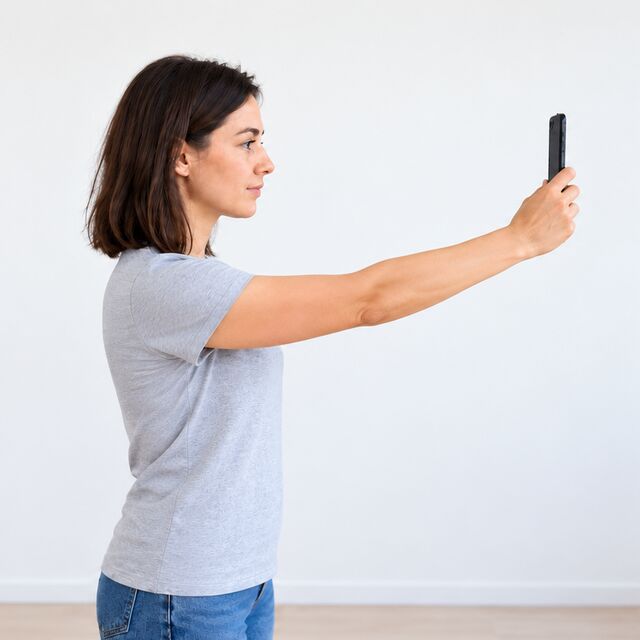
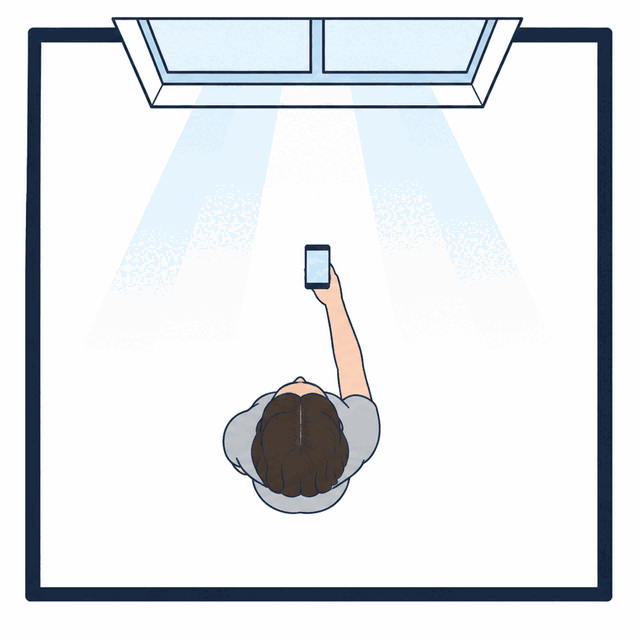
Choose a spot near a large window during the day. Stand facing the window so that the light falls evenly on both sides of your face. Turn off ceiling lamps, because mixing warm indoor light with daylight gives your skin an odd colour cast. Stand about half a metre in front of a plain wall to reduce shadows behind you; our online tool replaces the background anyway, but softer shadows make the cut-out cleaner. Ask a friend to take the visa photo from about 1.5 metres away with the camera at the height of your eyes, or use a timer and a stable surface. Take a few shots, then upload the best one.
Religious head coverings
If you wear a head covering for religious reasons, check with your Italian consulate how it should look in your visa photo. If you keep it on, make sure the covering does not cast shadows on your face and that your face is fully visible from the bottom of the chin to the top of the forehead, including both cheeks. A plain covering in a colour that differs from the light background helps the photo look clear at the small 35×45 mm size.
Printing at home or at a shop
If you print at home, use glossy or satin photo paper and set the printer to its highest quality with no page scaling, so that the printed photo keeps the exact size. After printing, measure one photo with a ruler: it should be 35 mm wide and 45 mm tall. If you print at a shop, ask for the file to be printed at its actual size, without "fit to page" or extra borders. Cut each photo with a sharp blade or scissors along the guide lines of the print sheet.
Before your appointment at the Italian consulate
Put your two visa photos in a small envelope so they stay clean and flat. Check that you have the right form, your passport, your travel insurance and the other documents for your visa type, in the order the consulate or visa centre asks for. Do not write on the front of the photos. If the instructions for your Italian consulate ask you to attach a photo to the form, follow them exactly, and keep the second photo loose unless told otherwise. Arrive with a little time to spare, because a missing or wrong visa photo is a common reason for a second trip.
Good to know about visa photos online
Making a visa photo online does not replace the official application: the photo maker only prepares the picture. Your visa is still requested through the Italian consulate, the embassy or an authorized visa centre, following the steps on the official Visa for Italy portal. Our online check helps you hand in a photo with the right size, head position and background, so the photo part of your application is one less thing to worry about.
Visa photo checklist
- Correct photo size: 35×45 mm, head about 34.5 mm from chin to crown.
- Plain light grey background, no shadows or patterns.
- Neutral expression, mouth closed, both eyes open.
- Head straight and centred, facing the camera.
- No glasses, hats or accessories that hide the face.
- Recent, sharp colour photo with no filters.
- Two identical prints, cut cleanly, plus the digital file.
Photos for children
A child who needs an Italian visa uses the same photo format as an adult: the same 35×45 mm size, a plain light background and a face that is fully visible. For a baby, lay the child on a plain light sheet and take the picture from above, with no hands, toys or pacifier in the frame. Our online tool crops and checks a child's photo just like an adult's.
Other Italian documents
If you also need a photo for an Italian document, the size and background can differ from the visa. See our pages for the Italy passport photo and the Italy ID card photo.