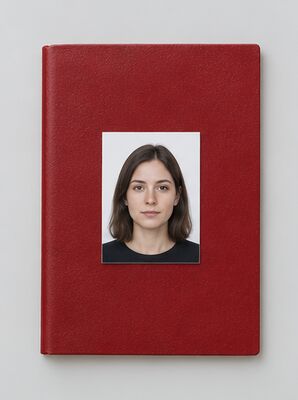
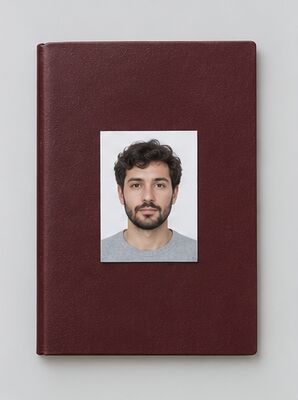
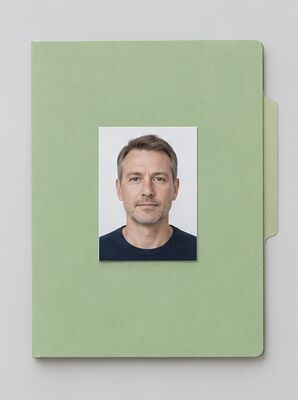
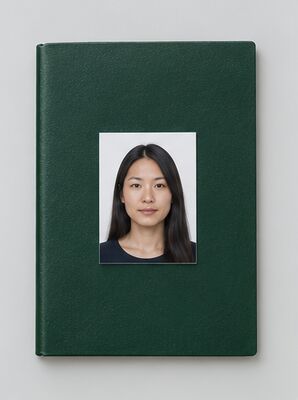
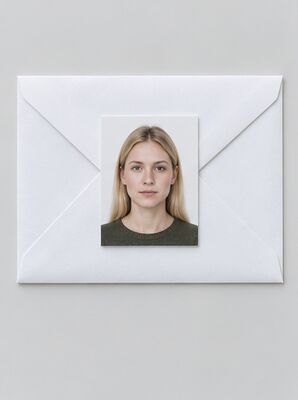
Germany visa photo size explained
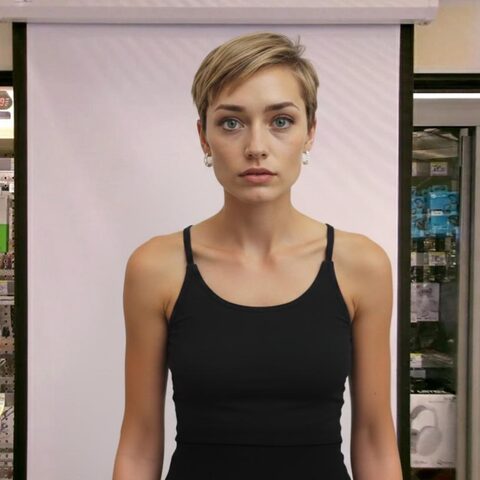
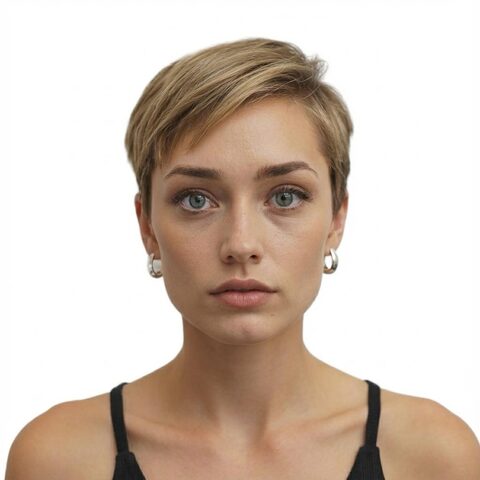
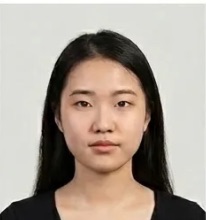
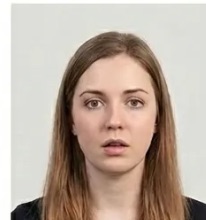
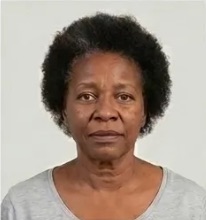
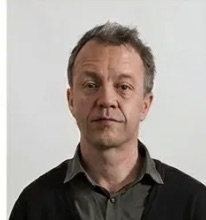
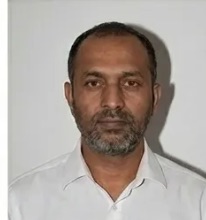
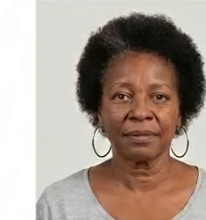
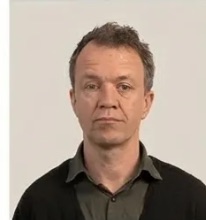
Every application for a Germany visa needs two biometric photos in the 35×45 mm format, which is 3.5×4.5 cm. You hand them in at your German embassy or visa centre appointment. In our template the head size is about 34.5 mm from chin to crown, inside the accepted range of 32–36 mm, with about 3 mm of space between the top of the hair and the upper edge of the photo. The face covers 70–80% of the photo height. A print at 600 DPI, or 827×1063 pixels, keeps your visa photo sharp at this size.
Why these photo specs matter
German authorities use the 35×45 mm size for both Schengen and national visa applications. The size and face rules follow the ICAO biometric standard, so facial recognition can process your photo in the same way in every Schengen state. A face height of 32–36 mm gives the biometric system a reliable area to read. That is why a photo with a head that is too small, too large or tilted fails the check, even when the photo looks fine to you. A non-compliant photo is one of the most commonly cited reasons a Germany visa application is returned before an officer reviews it, so getting the photo right before your appointment saves a second trip.
Why the background must be light grey
The background is the rule that trips up more applicants than any other. Your visa photo needs a plain, single-colour background, and light grey is the correct shade. White is not accepted, so a white wall, white card stock or a pale cream surface is a common reason for a rejected photo. Light grey gives strong contrast with dark hair; for light or grey hair, a slightly darker neutral grey keeps the hair separate from the background. Our online photo maker replaces the background with light grey for you, so you can take the photo in front of any wall at home.
Schengen visa and national visa: one photo
Germany issues two main visa categories. The Schengen visa (Type C) covers short stays of up to 90 days, and the national visa (Type D) covers stays over 90 days for work, study or family reunification. The photo rules for a German visa are the same for both types: the same 35×45 mm size, the same light grey background and the same biometric rules. A Schengen Type C visa counts days against the shared limit of 90 days in any 180-day period across all Schengen countries combined. Time in France, Spain, Italy or any other Schengen state counts toward this total, not only time in Germany.
Colour, age and number of photos
Only full-colour photos are accepted; a black-and-white photo is rejected, because it cannot support the colour checks used in biometric processing. The photo must have been taken within the last six months, so a picture from a previous German visa application may already be out of date. You need two identical prints for each application; one print, or two photos that differ in any way, gets the application returned. Print them on high-quality glossy or matte photo paper with good contrast: standard office printer output on copy paper is usually not good enough for a visa photo.
Face, pose and glasses
Keep your head straight, look at the camera, and hold a neutral expression with your mouth closed. Your eyes must be open and fully visible, with no hair over the face or eyes. Glasses may be worn only if you normally wear them; tinted lenses, reflections on the lenses and frames that cover any part of the eyes are not permitted. Taking off your glasses for the photo is the most reliable way to meet this rule. Shadows on the face or on the background and red-eye effects are not allowed either, and a blurred, overexposed or underexposed photo is not accepted.
Clothing, hair and appearance
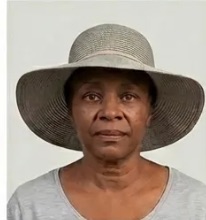
Because the background has to be light grey, a grey or white top blends into it and makes your shoulders hard to separate from the background; dark or strongly coloured clothing gives a clearer result. Brush or tuck your hair back so it does not cover your eyes. The whole face from chin to hairline has to be visible, so keep scarves and hoods off unless you wear a head covering for religious or medical reasons. Keep a neutral expression with your mouth closed rather than a smile. If you normally wear glasses, check the lenses for glare, or simply take them off for the visa photo.
Tips for parents
Children follow the same rules as adults for face coverage and expression, which can be hard with a small child. Take the picture in daylight while the child sits upright, look for a moment when the eyes are open and the mouth is closed, and take several shots so you can choose the best one. Upload it to our online tool, which crops it to the right size and checks it for you. Remember that every family member applying for a Germany visa needs their own two photos, and children aged 6–11 pay the reduced Schengen fee.
Head coverings and children
Head coverings are not permitted except for religious or medical reasons, and they must not hide the face: the full face from chin to hairline must stay visible in the photo. For children, the adult photo rules apply for face coverage and expression, so a child needs the same 35×45 mm visa photo with a light grey background. Children under 12 are exempt from fingerprints at the visa appointment.
How to take your visa photo with a phone
You can take a good visa photo at home if you follow a few simple steps. Our online tool does the size, crop and background for you, but the light, pose and sharpness come from your camera.
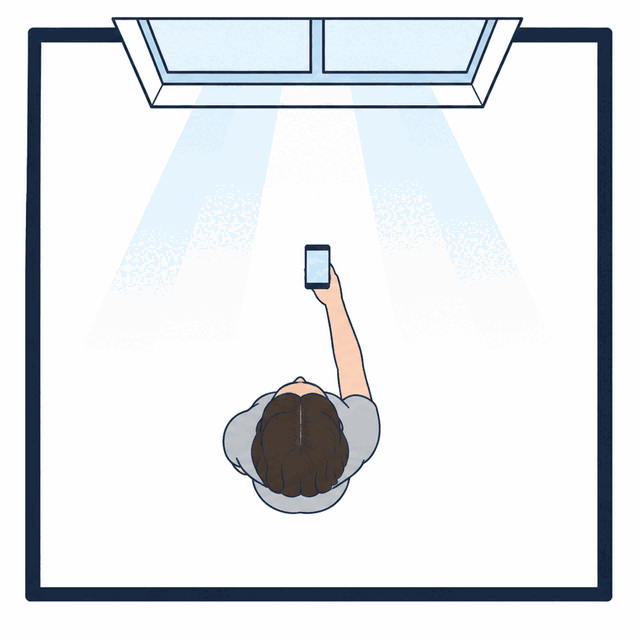
- Lighting. Use natural daylight from a window in front of you, so the light falls evenly on both sides of your face. Do not stand with a window or a bright light behind you.
- Background. If you want a real grey background, pin a plain light grey card or sheet on the wall and stand at least an arm's length away from it, so your shadow does not fall on it.
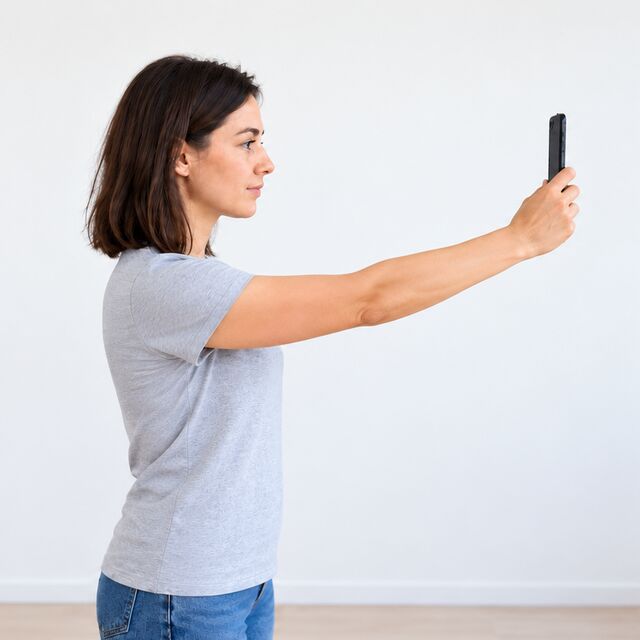
- Framing. Ask someone to hold the phone at eye level, pointed straight at your face. Centre your head with a small margin above your hair.
- Posture. Sit or stand straight, keep your head level, look into the lens, close your mouth and open your eyes fully.
- Clothing. Avoid grey or white tops that blend into the background; dark or strongly coloured clothing gives the clearest result.
- Check. Zoom into the photo: it should be sharp, both cheeks evenly lit, eyes visible and no shadow behind you. Retake it if anything fails.
Where to get your visa photos
A photo that fails the biometric check means rescheduling your appointment, so it is worth choosing the option that gives you the most control. A pharmacy or supermarket photo booth is quick, but booths rarely enforce the Schengen rule for a light grey background. A professional photo studio is more likely to know the rules for a German visa, but it costs more and needs travel and an appointment. A street or station booth is widely available, with lighting and background fixed by the machine. With our online photo maker you take the photo at home, at any time, and see the result of the AI check before you print. Costs and times vary by region.
Germany visa types at a glance
Before you prepare your visa photo, check which Germany visa you need. The Schengen visa (Type C) is for short stays of up to 90 days. The long-stay national visa (Type D) is for work, study or family reunification in Germany for more than 90 days. You apply for a Schengen visa at a German embassy, consulate or authorised visa centre; many national visa categories can now start online through the Consular Services Portal. For every type of German visa, the photo is the same: a 35×45 mm visa photo with a light grey background, two identical prints, taken within the last six months.
The photo size in pixels and inches
The official size is given in millimetres: 35 mm wide and 45 mm high. In inches, that is about 1.38×1.77 in, so a square print made for another document does not fit a Germany visa application. At the 600 DPI print resolution, the visa photo is 827×1063 pixels. Our online maker exports the photo at this size, so the head size, face coverage and top margin stay correct when you print it. If you resize the file yourself, keep the 35:45 ratio and do not stretch the photo, or the face will no longer match the biometric size rules.
Making your visa photo online, step by step
Open the online maker on this page; the Germany visa format is already selected, with the 35×45 mm size and the light grey background preloaded. Take a photo with your phone in good light or upload a recent picture. The AI check then validates the photo against the Germany visa photo requirements and flags problems with the size, background, face coverage or expression before you submit anything. Preview the result, download the digital visa photo, and print two identical copies on photo paper. If your appointment needs physical photos and you have no printer, you can order print delivery and receive lab-quality prints by post.
What to bring to your Germany visa appointment
Your two printed photos are only one part of the German visa application. At the appointment, your fingerprints and photo are taken for the Visa Information System. For a Schengen visa, you also need travel health insurance that covers at least €30,000 and is valid in the whole Schengen Area. Bring your visa photos in an envelope so they stay clean and flat. Check the list of your embassy or visa centre for the other documents your Germany visa needs.
Your photo and the Visa Information System
At the visa appointment, your fingerprints and photograph are entered into the EU Visa Information System (VIS) and shared with the Schengen authorities that process your application. Fingerprints are collected again every five years on later applications. Because facial recognition uses your image, the photo has to follow the biometric rules on size, face coverage and background exactly.
Applying for a German visa online
From 1 January 2025, the German Consular Services Portal lets you submit documents online for 28 categories of national (Type D) visa at all 167 German visa sections worldwide. A shorter in-person appointment for biometric data is still required, and the portal is not yet available in every country. For a Type C Schengen visa, you currently apply in person at an embassy or an authorised visa centre. Either way, bring your two printed photos; our maker gives you a digital copy and a print-ready file in the same size.
Germany visa fee and processing time
Since 11 June 2024, the Schengen visa fee is €90 for adults and €45 for children aged 6–11; children under 6 are exempt. Fees are non-refundable if the application is rejected or withdrawn. Standard processing for a Type C Germany visa is 15 calendar days, but it can take 30–45 days in peak seasons or for some nationalities. A national Type D visa can take up to three months or longer, so apply well before your travel date. Your travel health insurance must cover at least €30,000 for medical emergencies, including hospital stays and repatriation, and be valid across the whole Schengen Area for the full trip.
What happens if your visa photo is rejected
A visa photo that does not meet the rules is not a small detail. If the officer sees a white background, a black-and-white print, an old picture or a face that is too small, your application can be returned before anyone looks at the rest of your file. You then need a new visa photo and often a new appointment, which can push back your travel date, especially in peak seasons when processing already takes longer. The safest way to avoid this is to check the visa photo before you print it. Our AI checks the points that most often cause a rejection: the photo size, head position, light grey background, expression, eyes, glasses, shadows and sharpness.
Reusing an old visa photo
It is tempting to reuse the visa photos left over from a previous trip or another application. Only do this if the photo was taken within the last six months, has the 35×45 mm size and a light grey background, and you still look the same. A visa photo made for another country may have a white background or a different size, and a print that has been in a wallet may be bent or faded. When in doubt, take a new photo at home; it takes a few minutes online.
Printing your photos
Download the photo, print it at 600 DPI and cut two identical 35×45 mm photos. Before your appointment, check each print on a full-size view rather than a phone thumbnail: the image should be sharp, in colour and evenly lit, with no shadow on the light grey background. If you need other German documents, see our Germany passport photo page, the Germany ID card photo and the Germany residence permit photo.
Germany visa photo checklist
- Photo size 35×45 mm (3.5×4.5 cm), head 32–36 mm from chin to crown.
- Plain light grey background, not white, with no shadows.
- Full-colour photo taken within the last six months.
- Neutral expression, mouth closed, both eyes open and visible.
- Head straight and centred, face covering 70–80% of the photo height.
- No tinted glasses or reflections; hair off the face.
- Two identical photos printed on good photo paper.