What the South African smart ID card is
The smart ID card is the official proof of identity for South African citizens. It is issued by the Department of Home Affairs (DHA) and replaces the old green, bar-coded ID book. The card is the size of a bank card and carries a microchip that stores your personal details, together with biometric data: your fingerprints and your facial image. Secure printing makes the card hard to copy, and the materials are made to last in a wallet for years. Because the face on the card is used to check who you are, the photo has to be clear, sharp and taken straight on. You use the South African smart ID card for banking, voting, travel and many other services, so it is worth getting the photo right the first time.
Smart ID card or green ID book
For years South Africans carried the green, bar-coded ID book. The smart ID card replaces it with a plastic card that holds the same identity details on a chip, protected by fingerprints and a facial image. If you still use the green book, you apply for the South African smart ID card with your old book, and Home Affairs captures new biometrics and a new photo. The photo in your old ID book is not reused, so the card always shows a recent likeness of you.
Who can apply for a South African smart ID card
To apply, you must be a South African citizen aged 16 or older. You need either a valid South African birth certificate or your existing green, bar-coded ID book. Young people who turn 16 apply for a first South African ID in the same way as adults who replace an old ID book; the photo rules are the same for everyone.
Documents you need for the application
- A completed DHA-9 application form.
- Your current green, bar-coded ID book, if you have one.
- A valid South African birth certificate, if you do not have an ID book.
- Proof of residence, such as a utility bill or a bank statement.
- Two recent ID photos, where your office or application route asks for them.
Book your Home Affairs appointment online
You apply in person at a Department of Home Affairs office, but you can prepare most things from home. It is advisable to make an appointment online to cut the waiting time at the office; the booking is on the Home Affairs online services page. Before the visit, fill in the DHA-9 form, put your birth certificate or ID book and your proof of residence in one folder, and add two printed photos if your office asks for them. A few minutes of preparation online saves a second trip to the office.
What happens at the office
At the office you hand in the form and your documents, your fingerprints and photograph are captured, and you pay the fee. As of October 2023 the fee was R140 for adults and R70 for children under 16; fees change, so check the current amount on the Home Affairs smart ID card page before you go. You then receive a Temporary Identity Certificate, which works as a provisional South African ID until the card is ready. Processing usually takes about 14 working days. You get an SMS or email when the smart ID card is ready, and you collect it at the same office, bringing the Temporary Identity Certificate with you.
When you need printed photos
In many Home Affairs offices the photo for the card is taken on the spot during biometric capture. Printed ID photos are still needed in several situations: when the office or the route you use asks for two photos, or when you reapply for a South African ID from abroad. South Africans living in Australia, for example, apply through the South African High Commission, which lists the photos among the documents for an ID reapplication. The Western Cape Government also explains the steps for applying for an identity document. In all these cases the photos must follow the same official rules, so one good photo session covers every route.
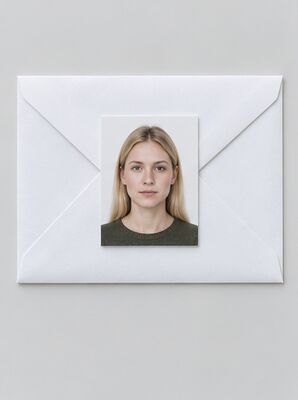
South African ID photo specifications explained
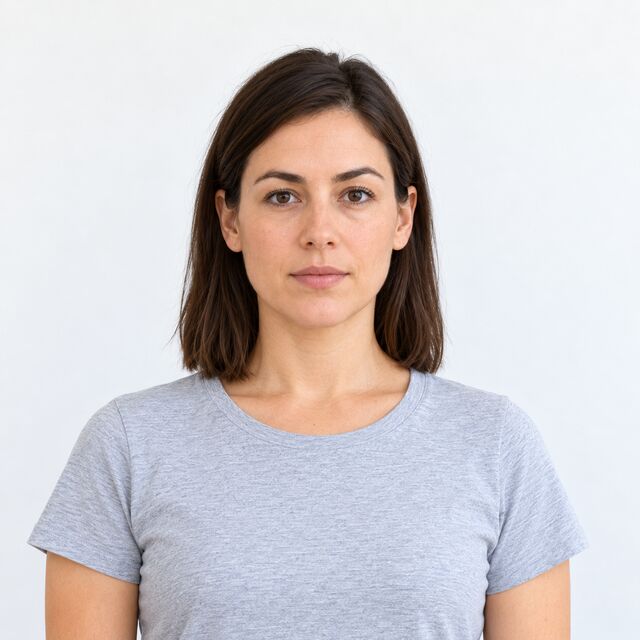
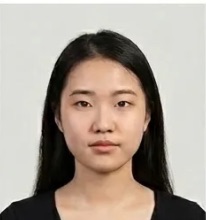
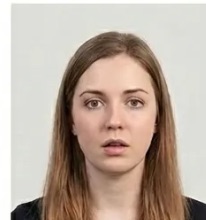
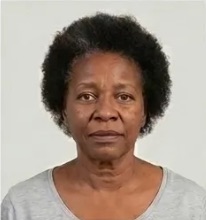
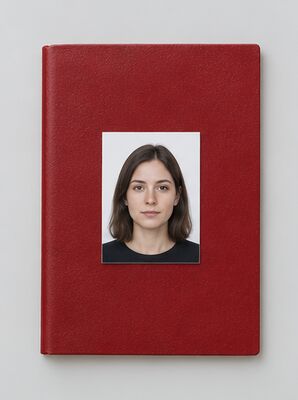
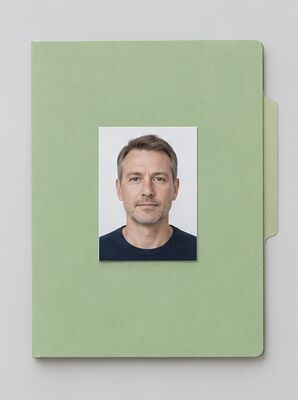
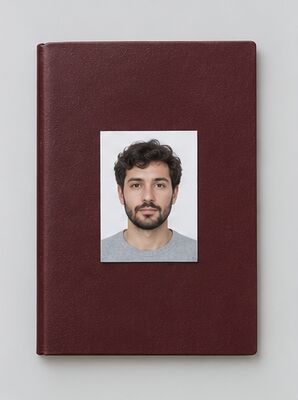
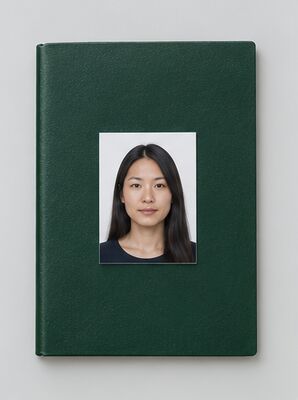
The South African ID photo specifications describe a portrait photo 35 mm wide and 45 mm high. In our template the head takes up about 34.5 mm from chin to crown, with about 3 mm of free space between the top of the head and the top edge of the photo. The background is a plain, even light grey with no pattern, objects or shadows. The photo is in colour, sharp and in focus, and shows your full face looking straight at the camera with a neutral expression, mouth closed and both eyes open. A print at 600 DPI keeps fine detail such as the hairline and the eyes sharp at this small size.
Why the head height matters
The facial image on the card is read by machines as well as people, so the head must be the right height in the frame. If you stand too far from the camera, your head looks small and the photo shows too much of your shoulders; if you hold the phone too close, the crown or chin gets cut off. Our tool measures your face in the photo and scales it so that the head is about 34.5 mm tall with about 3 mm of space above, then crops the photo to 35×45 mm around it.
First smart ID at 16
Many applicants are teenagers who apply for their first South African ID at 16. They bring a valid South African birth certificate instead of an ID book, together with proof of residence and the DHA-9 form. A parent often helps with the visit, but the photo rules do not change for young applicants: the same light grey background, the same head height and the same neutral expression as for adults. Teenagers who wear braces or have a fringe should keep the mouth closed and the hair away from the eyes. Taking the ID photos at home a few days before the appointment leaves time to retake them if the check finds a problem.
Moving from the ID book to the card
When you switch from the green ID book, Home Affairs records new biometrics and a new picture of your face. If you have changed a lot since the photo in your old book was taken, the smart ID card is a good moment to bring your South African ID up to date. Bring the green book to the office with you, as it is one of the documents for the application, and keep your Temporary Identity Certificate safe until you collect the new South African smart ID card.
Light and shadows
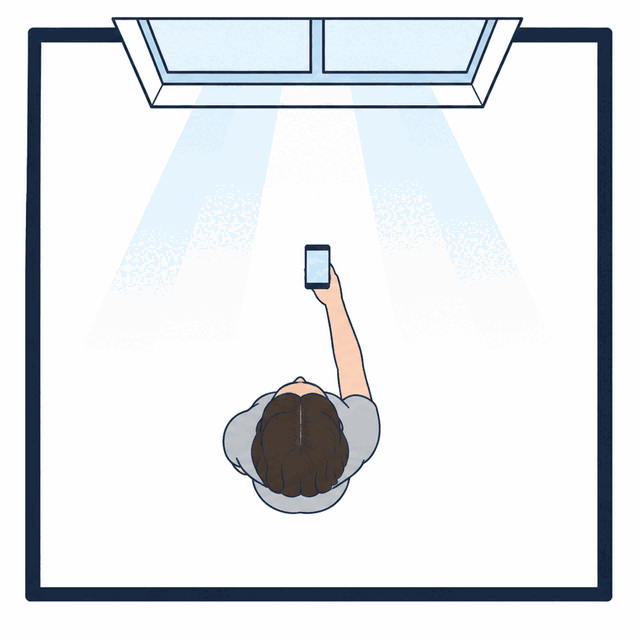
Light is the most common reason a home picture fails. A ceiling lamp right above you leaves dark circles under the eyes and a shadow under the nose and chin, while a lamp on one side makes half of the face darker than the other. The easiest fix is daylight: stand facing a window on a bright but cloudy day, or in open shade outdoors, so the light falls evenly on your whole face. Switch off coloured or warm indoor lamps that give the skin a yellow or orange tint, and do not use the phone flash, which flattens the face and creates glare on the forehead and nose. If one side of your face is still darker, a white sheet of paper or a towel held just out of frame bounces some light back and softens the shadow.
Glasses, head covers and hair
Take off your glasses for the photo, so that light does not reflect in the lenses and your eyes stay fully visible. Take off hats and caps, and make sure your whole face, from the chin to the forehead, is clearly visible. Pull long hair or a fringe away from your eyes, and remove headphones and large earrings that cover part of your face.
Clothes, make-up and expression
Wear everyday clothes in a solid, medium or dark colour; a plain shirt or top with a simple neckline works best. Avoid bold patterns and very busy prints, which draw attention away from the face. Keep make-up natural so that your skin looks the way it does in daily life, and wipe away shine on the forehead and nose with a tissue just before the picture. For the expression, think of a calm, relaxed face rather than a frown or a smile: close your lips gently, keep both eyes open and look straight into the camera lens, not at the screen. Remove scarves or high collars that cover the chin or jaw line, since the full outline of the face has to be visible from the chin to the top of the head.
Printing your photos
Our maker gives you the photo as a digital file and as a print sheet. Print the sheet at 600 DPI on glossy or matte photo paper at a print shop, or on a good home printer, and do not let the printer scale the page: "fit to page" changes the photo size. Cut along the guides so each photo is exactly 35×45 mm. Check the prints before you leave home: the colours should be natural, the background light grey and the face sharp, with no stripes or ink marks.
A digital ID photo for online use
The same photo is suitable for online use where a digital file is asked for. Keep the original file from our tool rather than a scan of a print, because every scan adds blur and changes the colours. Save a copy on your phone or in your email, and you can print new photos or upload the file online whenever a South African office or service asks for it.
Taking a good ID photo at home
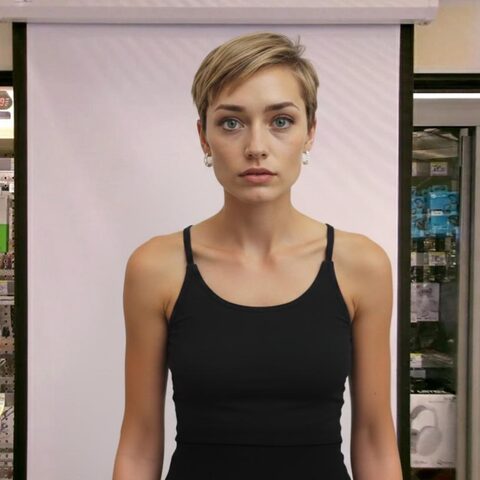
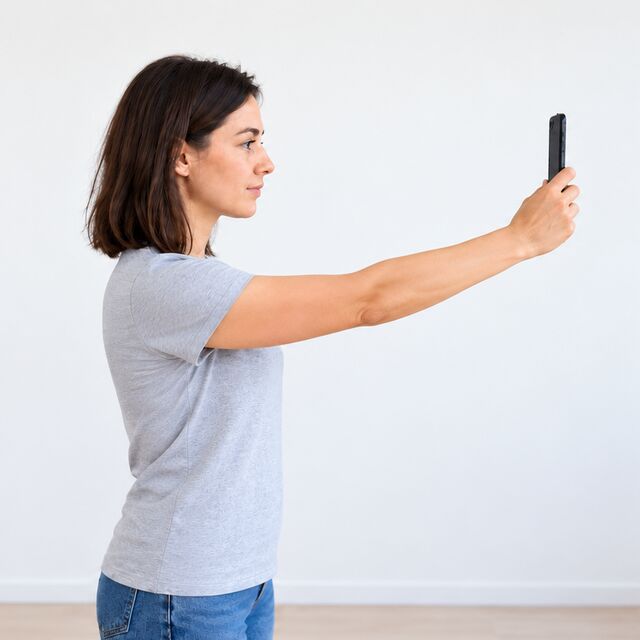
You do not need a studio to get good ID photos. Choose a spot in front of a plain wall, face a window and ask someone to take the picture from about one to two metres away, or use your phone's self-timer on a shelf at eye level. Keep your back straight and your shoulders level, look into the lens and relax your face. Take several shots and pick the sharpest one: the eyes should be in focus, the skin tones natural and the light even on both sides of the face. The wall behind you does not have to be grey, because our AI replaces it, but a plain wall makes the cut-out around your hair cleaner. Tie back hair that falls over your shoulders and wear a top that is a different colour from the light grey background, so the outline of your shoulders stays clear in the ID photo.
How our AI checks your ID photo
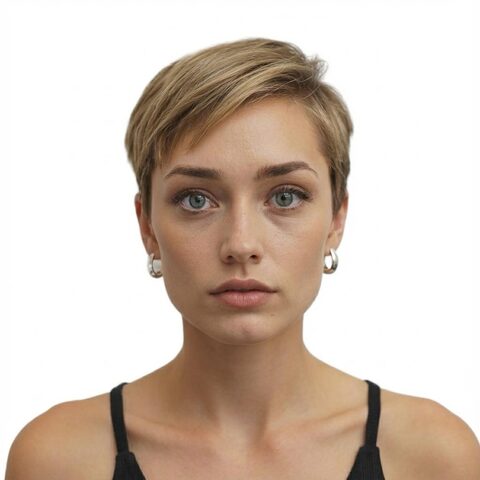
After you upload a picture, the AI finds your face and checks it against the rules for a South African ID: head height and position, the space above the crown, a straight head, open eyes, a closed mouth, even light and a sharp image. It removes the original background and replaces it with plain light grey, then crops the result to 35×45 mm. If something cannot be fixed automatically, such as closed eyes or a strong shadow across the face, the check tells you what to change, so you can take a new picture before you print your ID photos. The check is free, and you can repeat it as often as you like.
A free ID photo or a studio session
Some South Africans pay for ID photos at a studio before a Home Affairs visit. A free ID photo from home works just as well when it follows the official rules, and you choose the picture you like best instead of the first one a photographer takes. You also keep the digital file, so the next time you need ID photos for a South African document you do not have to pay again. If you need prints, any print shop can print the photo sheet for you.
After you collect your South African ID
Once you have the card, check that your name, date of birth and ID number are correct and that the photo is clear. Your South African ID is the document banks, employers and many other services ask for, and you show it when you vote. Keep the card in a safe place, away from heat and bending, and do not punch holes in it. If anything on the card looks wrong, contact the Department of Home Affairs. Keep the digital file of your ID photo as well: a replacement South African ID card starts with the same photo requirements as the first one.
ID photo checklist
- Photo size: 35 × 45 mm, portrait orientation.
- Head about 34.5 mm from chin to crown, centred in the frame.
- Plain light grey background, no shadows or patterns.
- Neutral expression, mouth closed, both eyes open.
- No glasses, no hat; hair away from the eyes.
- Recent colour photo, sharp, with no filters or retouching.
Lost or stolen smart ID card
If your smart ID card is lost or stolen, report it to the Department of Home Affairs straight away and apply for a replacement. Keep a digital copy of your ID photo, so you can print new photos whenever an office asks for them.
Your other South African documents
The smart ID card and the South African passport use the same photo format, so a photo made here also works for a South Africa passport photo. If you are not a South African citizen and are travelling to the country, see the South Africa visa photo page instead.