What a Greece visa is for
A Greece visa lets a citizen of a non-EU country enter, stay in or pass through the country for a set period. Greece is a member of the Schengen Area, so a short-stay visa also lets you travel to the other Schengen countries. People apply for tourism, business trips, study, work or to join family. Whatever the reason, the application file includes recent photos, and one that does not meet the rules is among the easiest problems to avoid.
Visa types
- Short-stay visa (Type C) for tourism, business or family visits, valid for up to 90 days within a 180-day period.
- Long-stay visa (Type D) for study, work or family reunification, for stays longer than 90 days.
- Transit visa (Type A) for travellers who pass through on the way to another destination.
For each type, the checklist asks for two recent photos that meet the Schengen photo requirements, so the same picture works whichever visa you apply for.
Greece visa photo size explained
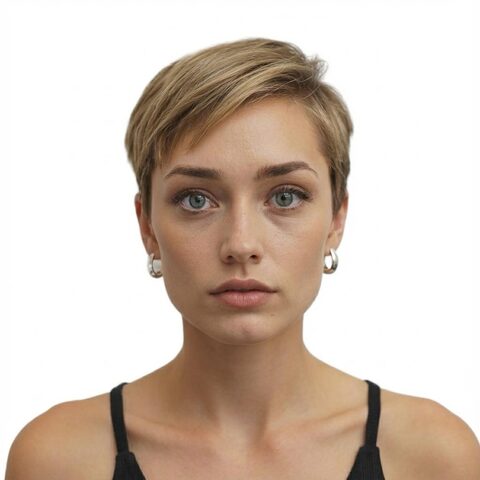
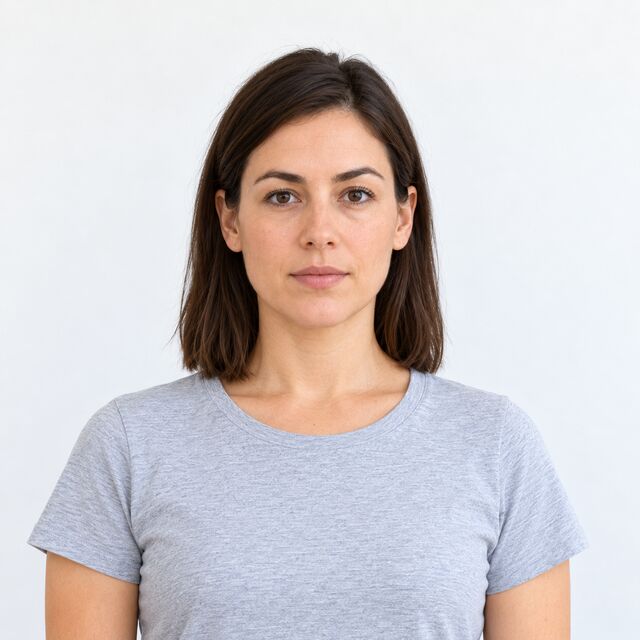
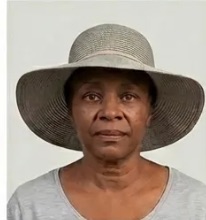
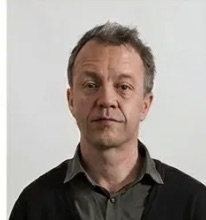
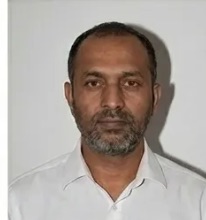
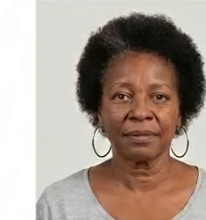
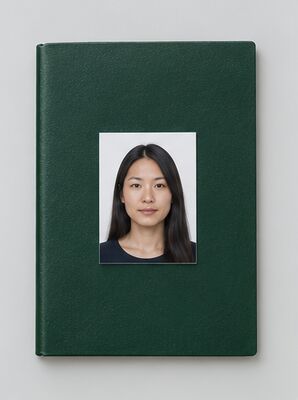
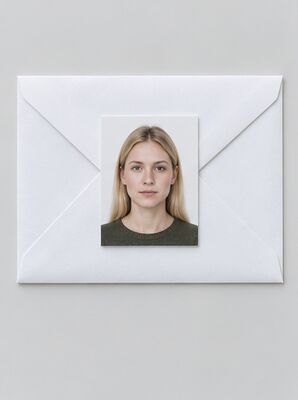
For applicants in the United States, the Greece visa photo is a square of 2×2 inches, about 51×51 mm. In our template the head height is about 1.29 inches from the chin to the top of the head, and the eyes sit about 1.18 inches above the bottom edge. A print at 300 DPI keeps it sharp. Before you print, open the official visa section for applicants in the USA on the Greek Ministry of Foreign Affairs website and check the current rules there. If you apply in another country, the consulate or visa application centre there may publish a different format, and you should follow its rules.
What else the application needs
The photo is only one part of the file. The current checklist usually includes:
- A valid passport with at least two blank pages and validity of at least three months beyond your planned departure from the Schengen Area.
- A completed and signed visa application form.
- Two recent passport-style photos that meet the Schengen requirements.
- Travel medical insurance that covers at least €30,000 for medical emergencies and repatriation.
- Proof of accommodation, such as hotel bookings or an invitation letter from your host.
- Proof of enough money for the stay, such as bank statements or a sponsorship letter.
- A round-trip flight reservation or itinerary.
Insurance that does not meet the Schengen rules is a common reason for a visa refusal, so check the policy as carefully as the photos.
How to apply for a Greek visa
First decide which visa type fits the purpose of your trip, then gather the documents and fill in the application form, which you can download from the official consulate or embassy website. Book an appointment at the nearest consulate or embassy; in some countries you apply through a visa application centre instead. At the appointment you hand in the form, the passport, the photos and the other documents, and you may pay the visa fee. Some applicants are also invited to a short interview about their travel plans.
Processing usually takes about 15 calendar days and can take longer in peak season or when the consulate asks for extra documents. Apply at least 15 days before your trip, but no more than six months in advance. When the visa is approved, you collect your passport with the visa inside; if it is refused, you receive a letter that explains the reasons.
Tips for a smooth Greece visa application
Most delays come from a missing or weak document rather than from the interview. Check your passport early: it must stay valid for at least three months beyond your planned departure from the Schengen Area and have two blank pages, and a renewal takes time. Fill in every field of the form and sign it. Book flights and hotels you can change or cancel, and the dates should match the dates you write on the form. Bank statements should show enough money for the whole stay. If a host invites you, ask for the invitation letter early, because the host may need time to prepare it. Finally, keep copies of everything you hand in: if the consulate asks for one more paper, you can answer quickly and keep your application on schedule.
One Greek visa, the whole Schengen Area
A short-stay Greece visa is a Schengen visa. With it you can also visit other Schengen countries during the same trip. The short-stay limit is up to 90 days within a 180-day period. Plan your route before you apply, because you need proof of accommodation, such as hotel bookings, and a round-trip flight reservation for the trip.
Taking the photo at home, step by step
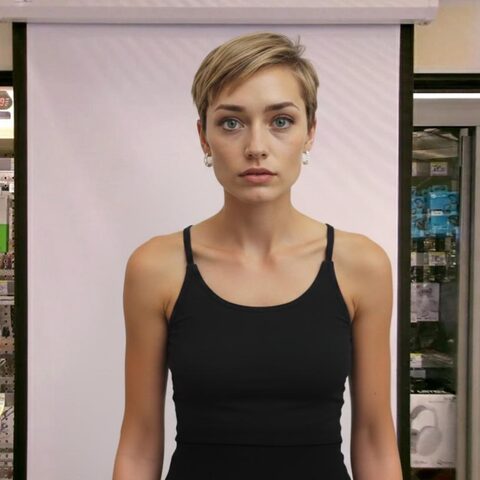
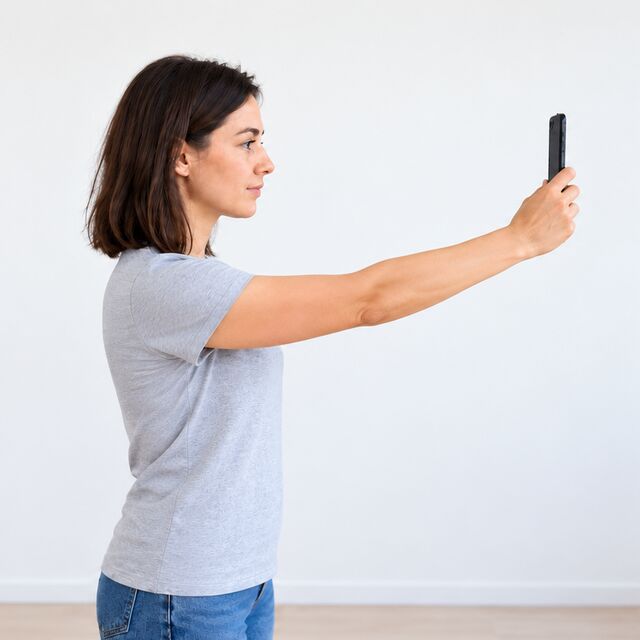
You do not need a studio. Stand about an arm's length from the phone, or ask someone to take the photo from one to two metres away, with the camera at the height of your eyes. Stand in front of a plain wall; the AI replaces the background anyway, but a calm wall makes it easier to cut out your hair cleanly. Take several photos in a row and pick the one where your eyes are fully open and your face is relaxed. Tie back hair that falls over your eyes or eyebrows, and keep your ears and the outline of your face visible.
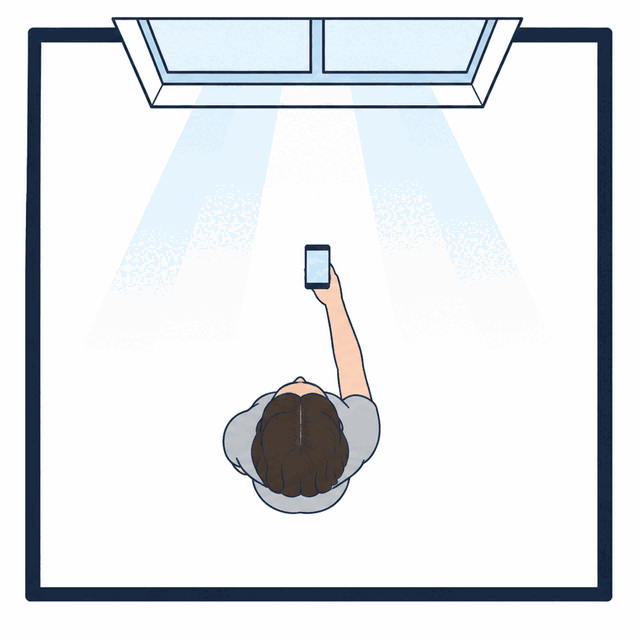
Light matters more than the camera. A window in front of you gives soft, even light; a lamp above or beside you leaves a shadow under the nose or on one cheek, and that shadow shows up in the final photo. If the sun shines straight in, wait for a cloud or move to a window on the other side of the room.
Digital file or printed copies
The download is a digital file. For a paper application you print it: at home on glossy photo paper, or at a print shop or pharmacy kiosk that prints standard photos. If a visa application centre asks you to upload a file instead, use the digital photo directly and do not scan a print, because a scan loses sharpness and colour. The maximum file size in our template is 240 KB. Keep the original file as well: if you need extra prints later or the centre asks for another copy, you can print again without taking a new photo.
Pictures of babies and children
When you take a visa photo of a child, the same rules for size and background apply. For a baby, lay the child on a plain white sheet and take the photo from above, so no hands or toys are in the frame. For an older child, hold the camera at the child's eye level, not at your own height. Take many photos and choose one with open eyes and a closed mouth; our AI check flags the ones that are likely to fail.
Printing your visa photos
Download the finished photo and print it at 300 DPI on photo paper, then cut it to the 2×2 inch square. Print at least two copies, because the checklist asks for two recent photos. Before you attach a print to the form, check that it is sharp, in colour and has no shadows on the background. Do not reuse a photo from an old passport or a previous visa; it should be recent and show how you look today.
What our AI check looks at
After you upload, the tool finds your face, crops the photo to the 2×2 inch square and places the head and eyes at the heights in the table above. It then replaces the background with plain white and looks at the parts that people usually get wrong: whether both eyes are open and looking at the camera, whether the mouth is closed, whether the head is tilted or turned, whether the light is even on both sides of the face, and whether the photo is sharp enough to print at 300 DPI. Each point gets a clear pass or a short note on what to change.
The check cannot see your passport or know which consulate you apply to, so it compares your photo with the template on this page. If the centre where you apply publishes its own rules, read them once and compare them with the table before you print.
If your photo fails the check
Most failed photos have one simple cause. A shadow on one side of the face means the light came from the side; turn toward the window and try again. A tilted head usually comes from holding the phone too low or too high; raise or lower it to eye level. Red or dark patches on the skin often come from a warm lamp, so switch it off and use daylight. If you wear glasses every day, take them off for the photo anyway, since lenses reflect light and frames can cover the eyes. When a photo still fails after a retake, the optional retouch fixes uneven light and shadows for you.
Greece visa photo checklist
- Correct size: 2×2 inches for an application from the USA.
- Plain white background, no shadows or patterns.
- Neutral expression, mouth closed, both eyes open.
- Head straight and centred, full face inside the frame.
- No glasses, hats or anything that covers the face.
- Sharp, recent colour photo with no filters or retouching.
Other document photos
Citizens and residents need different photos for their own papers. See our pages for the Greece passport photo and the ID card photo, each with its own size and background.